
Introduction
Introduction to AI for Beginners (AI) is no longer a futuristic concept limited to science fiction movies or high-tech laboratories. Today, AI is part of our daily lives—powering smartphones, social media platforms, search engines, online shopping, healthcare systems, and even self-driving cars. From voice assistants like Siri and Google Assistant to Netflix recommendations and spam email filters, AI is quietly working behind the scenes to make life easier.This blog is specially written for beginners who want to understand what AI is, how it works, why it is important, and how it is shaping the future. By the end of this guide, you will have a clear understanding of Artificial Intelligence and feel confident exploring it further.
Table of Contents
1. What is Artificial Intelligence (AI)?
Artificial Intelligence refers to the ability of machines or computer systems to perform tasks that normally require human intelligence. These tasks include learning, reasoning, problem-solving, decision-making, understanding language, and recognizing patterns.
In simple words, AI allows machines to think and act like humans. Instead of following only fixed instructions, AI systems can analyze data, learn from experience, and improve over time.Introduction to AI for Beginners This makes them more flexible and powerful than traditional computer programs.
AI works by combining large amounts of data with intelligent algorithms. These algorithms help machines understand patterns, make predictions, and take actions. For example, when YouTube recommends videos based on your interests, AI analyzes your watch history and behavior to make accurate suggestions.
Artificial Intelligence is not a single technology. It is a broad field that includes machine learning, deep learning, natural language processing, computer vision, and robotics. Together, these technologies enable machines to perform intelligent tasks efficiently.
2. History and Evolution of Artificial Intelligence.
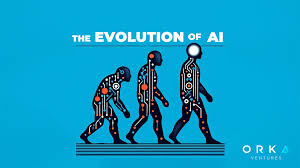
The idea of Artificial Intelligence dates back to ancient times when humans imagined intelligent machines and robots. However, modern AI began in the 1950s when computer scientists started exploring whether machines could think like humans.
In 1956, the term Artificial Intelligence was officially introduced at the Dartmouth Conference. Early AI research focused on problem-solving and symbolic reasoning. Scientists believed that creating intelligent machines would be easy, but progress was slower than expected.
During the 1970s and 1980s, AI faced challenges due to limited computing power and lack of data. This period is often called the AI Winter, when interest and funding declined. However, AI research never completely stopped.
The real breakthrough came in the 2000s and 2010s with the rise of big data, powerful computers, and advanced algorithms. Machine learning and deep learning transformed AI into a practical and effective technology. Today, AI is growing faster than ever and impacting almost every industry.
3. How Does Artificial Intelligence Work?
Artificial Intelligence works by using data, algorithms, and computing power. At its core, AI systems are trained to recognize patterns and make decisions based on information.
The first step in AI is data collection. AI systems need large amounts of data to learn. This data can include images, text, audio, videos, or numerical values. The more high-quality data an AI system has, the better it performs.
Next comes algorithm training. Algorithms are sets of rules that tell the system how to learn from data. Machine learning algorithms analyze data, find patterns, and adjust themselves to improve accuracy. This process is called training. Finally, AI systems use the learned knowledge to make predictions or decisions. For example, a facial recognition system learns from thousands of images and then identifies faces in new images. Over time, AI systems continue to improve through feedback and new data
4. Types of Artificial Intelligence.
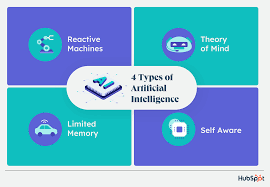
Artificial Intelligence is generally divided into three main types based on capabilities. These types help us understand how advanced an AI system is.
The first type is Narrow AI, also known as Weak AI. This type of AI is designed to perform a specific task. Examples include chatbots, voice assistants, recommendation systems, and image recognition software. Most AI systems today fall into this category.
The second type is General AI, also called Strong AI. This type of AI can perform any intellectual task that a human can do. It can think, learn, and adapt across different domains. Currently, General AI does not exist and is still a research goal.
The third type is Super AI, which refers to AI that surpasses human intelligence in every aspect. This type of AI is purely theoretical and exists only in discussions and science fiction.
5. Applications of Artificial Intelligence in Real Life.
Artificial Intelligence is widely used in everyday life, often without us realizing it. One of the most common applications of AI is in smartphones. Features like face unlock, voice assistants, and camera enhancements are powered by AI.
In healthcare, AI helps doctors diagnose diseases, analyze medical images, and predict patient outcomes. AI-powered tools improve accuracy and save time, leading to better patient care. In education, AI personalizes learning experiences and helps students learn at their own pace.
E-commerce platforms use AI to recommend products, detect fraud, and optimize pricing. In transportation, AI powers navigation apps, traffic prediction, and self-driving vehicles. Social media platforms use AI to filter content, suggest friends, and show relevant ads.
These real-life applications show how AI is making systems smarter, faster, and more efficient.
6. Benefits of Artificial Intelligence.
Artificial Intelligence offers many benefits that improve productivity and efficiency. One major advantage is automation. AI can handle repetitive tasks, allowing humans to focus on creative and strategic work.
AI also improves accuracy and decision-making. By analyzing large datasets, AI systems can detect patterns that humans might miss. This leads to better predictions and informed decisions in fields like finance, healthcare, and marketing. Another benefit of AI is 24/7 availability. Unlike humans, AI systems do not get tired. Chatbots and virtual assistants can provide support anytime, improving.(More Benefits complete blogs)
7. Limitations and Challenges of AI.
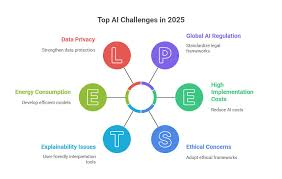
Despite its advantages, Artificial Intelligence has limitations. One major challenge is the lack of human emotions and creativity. AI systems cannot truly understand feelings or think creatively like humans.
AI also depends heavily on data. Poor quality or biased data can lead to inaccurate or unfair results. This raises concerns about bias and discrimination in AI systems. Another challenge is job displacement. Automation may replace certain jobs,
8. AI vs Human Intelligence.
Human intelligence is natural, emotional, and creative, while AI intelligence is artificial and data-driven. Humans can think abstractly, feel emotions, and make moral judgments. AI, on the other hand, relies on algorithms and data.
AI excels in speed, accuracy, and handling large datasets. Humans excel in creativity, empathy, and ethical reasoning. Instead of replacing humans, AI is best used as a tool to support and enhance human abilities.
9. AI in Different Industries.
AI is transforming industries such as healthcare, finance, education, manufacturing, and entertainment. In finance, AI detects fraud and automates trading. In manufacturing, AI improves quality control and predictive maintenance.
In entertainment, AI recommends music, movies, and games. In agriculture, AI helps monitor crops and predict weather conditions. These applications highlight the versatility of Artificial Intelligence.
10. Future of Artificial Intelligence.
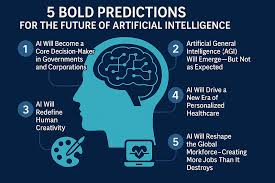
The future of AI is promising and exciting. AI is expected to become more intelligent, ethical, and human-centered. Advancements in AI research will lead to smarter assistants, better healthcare solutions, and more efficient industries.
AI will also play a key role in solving global challenges such as climate change, disease prevention, and education access. However, responsible development and ethical guidelines are essential to ensure safe and fair use of AI.
11. AI Myths and Misconceptions.
Many people believe that AI will take over the world or replace all human jobs. In reality, AI is a tool created by humans and controlled by humans. It works within defined limits and rules.
Another myth is that AI can think like humans. AI does not have consciousness or emotions. It only processes data and follows algorithms.
12. Skills Required to Learn AI.
For beginners, basic skills like logical thinking, problem-solving, and curiosity are enough to start learning AI. Programming languages such as Python are helpful but not mandatory at the beginning.
Understanding basic mathematics, statistics, and data concepts can also be beneficial. Many free resources and beginner-friendly courses are available online.
13. AI for Beginners. Where to Start
Beginners can start by learning AI fundamentals through blogs, videos, and online courses. Exploring real-life AI examples helps build understanding and interest.
Practicing with simple AI tools and platforms can boost confidence. Over time, learners can move to advanced topics like machine learning and deep learning.
14. Ethical Issues in Artificial Intelligence.
AI raises ethical concerns such as data privacy, surveillance, and bias. Responsible AI development requires transparency, fairness, and accountability.
Governments and organizations are working on AI regulations to ensure ethical use. Understanding these issues is important for anyone learning AI.
15. Summary
Artificial Intelligence is a powerful and transformative technology that is shaping the modern world. For beginners, understanding AI starts with learning the basics—what it is, how it works, and where it is used.AI is not here to replace humans but to assist and enhance human capabilities. By learning AI step by step, beginners can prepare themselves for a future where AI plays a central role in daily life and work.