Introduction
Peshawar is one of the oldest living cities in South Asia and the capital of Khyber Pakhtunkhwa, Pakistan. For more than two thousand years, it has stood at the meeting point of civilizations, cultures, and trade routes. From the ancient Gandhara period to the Mughal Empire and the British colonial era, every age has left its mark on the city’s architecture, traditions, and way of life. The famous Khyber Pass, located near Peshawar, connected Central Asia with the Indian subcontinent and made the city a gateway for traders, scholars, and travelers.Because of its gardens, pleasant spring season, and cultural richness, Peshawar has long been admired for its beauty. After understanding its historical and cultural background, it becomes clear why Peshawar is proudly known as city of flowers in Pakistan, a title that reflects both its natural charm and the flourishing of civilization through centuries.
Why Is Peshawar Called the City of Flowers in Pakistan?
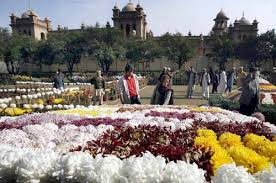
Peshawar earned this title during the Mughal period when beautiful gardens and green spaces surrounded the city.
The pleasant spring weather filled these gardens with colorful flowers and fresh air.
Poets and travelers described the city as peaceful and visually attractive.
This natural beauty gave rise to the poetic name that is still used today.
The title also has a symbolic meaning related to cultural growth.
Like flowers, art, literature, and learning flourished in Peshawar.
Scholars and poets found inspiration in its environment.
This intellectual bloom added to the city’s reputation.
Hospitality of the people further strengthens this image.
Visitors often feel welcomed and respected in every home and market.
This warmth is compared to the softness and beauty of flowers.
It makes the title emotionally meaningful as well.
Thus, the name reflects both physical and cultural beauty.
It connects nature with human values and traditions.
It represents peace, growth, and historical richness.
That is why the title remains popular even today.
What Is the Historical Importance of Peshawar?
city of flowers in Pakistan, peshawar has been a center of civilization for more than two thousand years.
It was part of the ancient Gandhara region known for learning and art.
Buddhist monks and scholars traveled here for education.
This made the city internationally important in early history.
Later, the Kushan Empire made Peshawar a capital city.
Trade and culture flourished during this time.
Art and architecture reached high levels of development.
Many remains from this period are still preserved.
The Mughal rulers strengthened the city and built grand structures.
They introduced gardens, mosques, and forts.
These buildings still define the city’s skyline.
They show the importance of Peshawar in the empire.
The British later developed roads and institutions.
They recognized its strategic value near the Afghan border.
Modern administration and education systems were introduced.
This shaped Peshawar into a modern urban center.
How Did the Gandhara Civilization Shape Peshawar?
The Gandhara civilization made City of Flowers in Pakistan a center of Buddhist learning.
Monasteries and universities attracted students from Asia.
Religious art developed in a unique style.
This art is now famous around the world.
Buddhist sculptures and stupas were built across the region.
These structures showed advanced skills in stone carving.
They represented spiritual and artistic excellence.
Many examples are displayed in museums today.
The influence of Gandhara can still be felt in archaeology.
Excavations reveal ancient streets and buildings.
Coins and statues tell stories of past rulers.
They connect modern Peshawar with its ancient roots.
This period gave the city an international identity.
It linked City of Flowers in Pakistan with China, Central Asia, and India.
Cultural exchange enriched its traditions.
That heritage remains an important part of its history.
What Are the Most Important Historical Sites in Peshawar?
Bala Hisar Fort
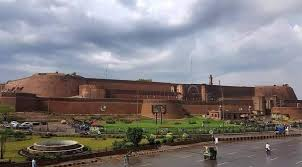
Bala Hisar Fort stands on a hill overlooking the city.
It served as a military stronghold for many rulers.
From its walls, one can see the entire valley.
It represents the strategic importance of Peshawar.
Qissa Khwani Bazaar
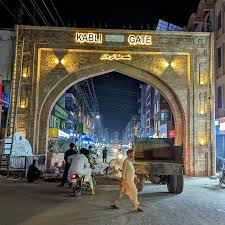
Qissa Khwani Bazaar is one of the oldest markets in the region.
It was once a meeting place for storytellers and traders.
Tea houses and shops still attract visitors today.
The bazaar reflects the social and cultural life of the city.
How Does Pashtun Culture Influence Life in Peshawar?
Pashtun traditions shape social behavior in the city.
Values of honor, respect, and hospitality are very strong.
Guests are treated with great care.
Community bonds are highly valued.
Traditional dress reflects cultural identity.
Men and women wear clothing that shows regional style.
Handicrafts and embroidery are common.
These traditions preserve cultural pride.
Music and poetry are important cultural expressions.
The rabab and folk songs express emotions and history.
Poets like Rahman Baba are still respected.
Their words guide moral and spiritual thinking.
Festivals and gatherings strengthen unity.
People celebrate religious and cultural events together.
This creates harmony among communities.
It keeps traditions alive for future generations.
What Makes Peshawar a Center of Education and Learning?
Ancient Learning Centers
In ancient times, City of Flowers in Pakistan hosted Buddhist universities.
Students came from distant regions to study.
Religious and philosophical knowledge was shared.
This made the city a global learning center.
Modern Universities
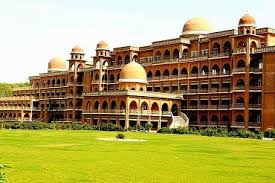
Today, Peshawar has leading universities and colleges.
Institutions like the University of Peshawar attract students nationwide.
Medical and engineering education is also strong.
This continues the tradition of knowledge and research.
Why Is Peshawar Famous for Its Food?
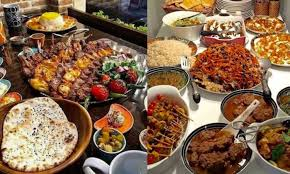
City of Flowers in Pakistan is known for its rich and flavorful cuisine.
Dishes like Chapli Kebab and Peshawari Karahi are popular.
Simple spices enhance natural taste.
Meat dishes are especially famous.
Food is connected with hospitality.
Guests are always offered meals and tea.
Sharing food builds strong social bonds.
It reflects respect and friendship.
Traditional cooking methods are still used.
Fresh ingredients are preferred.
This keeps flavors authentic.
It preserves culinary heritage.
Street food adds to the city’s charm.
Markets are full of aroma and activity.
Visitors enjoy local tastes.
Food becomes part of cultural experience.
How Does Peshawar Reflect Religious Harmony?
Different religions have lived together in the city.
Muslims, Sikhs, Hindus, and Christians share history.
Religious sites of all communities exist.
This shows a tradition of tolerance.
Places of worship stand close to each other.
They represent peaceful coexistence.
Festivals are respected by all.
This strengthens social harmony.
Education promotes understanding among communities.
Cultural events encourage unity.
People learn to respect differences.
This builds a peaceful society.
The city’s history supports coexistence.
Trade and travel brought diverse beliefs.
Interaction created mutual respect.
This spirit continues today.
What Role Did the Mughal Era Play in Peshawar’s Development?
The Mughal period brought architectural beauty.
Mosques and gardens were constructed.
Urban planning improved.
This enhanced the city’s appearance.
Trade increased under Mughal rule.
Markets expanded and prospered.
Caravans passed through regularly.
Economic activity flourished.
Cultural life also developed.
Poetry, art, and learning were encouraged.
Royal patronage supported scholars.
This strengthened intellectual growth.
The legacy of this era is still visible.
Buildings from that time remain.
They attract historians and tourists.
They remind people of past glory.
How Did British Rule Change Peshawar?
The British introduced modern administration.
Roads and railways were built.
Educational institutions were established.
This modernized the city.
New architectural styles appeared.
Colonial buildings changed the skyline.
Public services improved.
Urban planning became organized.
Security systems were strengthened.
The city became a military center.
This increased its strategic importance.
It influenced regional politics.
These changes shaped modern Peshawar.
Western education spread.
Social systems evolved.
The city entered a new era.
How Is Modern Development Transforming Peshawar?
Infrastructure projects are improving connectivity.
Flyovers and highways reduce traffic.
Public transport is expanding.
This makes travel easier.
Education and healthcare are growing.
New universities and hospitals are built.
Technology is being introduced.
Quality of life is improving.
Business and trade are increasing.
Shopping malls and markets are developing.
Investment is rising.
Employment opportunities are expanding.
Despite growth, heritage is preserved.
Old sites are protected.
Cultural identity remains strong.
Development and tradition exist together.
Why Is Peshawar an Important Tourist Destination Today?
Tourists visit for history and culture.
Ancient sites attract researchers and travelers.
Museums display valuable artifacts.
This promotes educational tourism.
Natural beauty also attracts visitors.
Gardens and surrounding hills are scenic.
Spring season is especially popular.
It enhances the city’s charm.
Food tourism is another attraction.
Local dishes are famous nationwide.
Visitors enjoy traditional flavors.
Culinary experiences leave strong memories.
Hospitality makes tourism pleasant.
People welcome guests warmly.
Guides share stories of the past.
This creates a complete cultural experience.
Summary
Peshawar is a city where history, culture, and beauty come together. From the ancient Gandhara civilization to the Mughal and British periods, it has remained a center of learning, trade, and cultural exchange. Its Pashtun traditions, historical landmarks, famous cuisine, and religious harmony give it a unique identity.
Known proudly as city of flowers in Pakistan, Peshawar represents both natural charm and the flourishing of human civilization. Its gardens, hospitality, and cultural richness justify this title. As modern development continues, the city preserves its heritage while moving confidently toward the future, standing as one of the most important and beautiful cities of Pakistan.